
#08 - Glacial Moraines
1/12/26
On our three-month trip, what started out as a regular drive day—although it was a longer-than-normal distance—turned into an amazing discovery where none was expected.
As we were driving south along Highway 287 in Montana from I-90 to our planned destination at Henry's Lake State Park in Idaho, just outside Yellowstone National Park, I got rather excited when I realized we were driving along a large glacial moraine. I'd never seen one in real life before, only in pictures, so this was a big surprise. I even needed to confirm with geology resources that it was indeed a moraine. As I shared my excitement with Sheila, she asked the obvious question: "What's a moraine?"
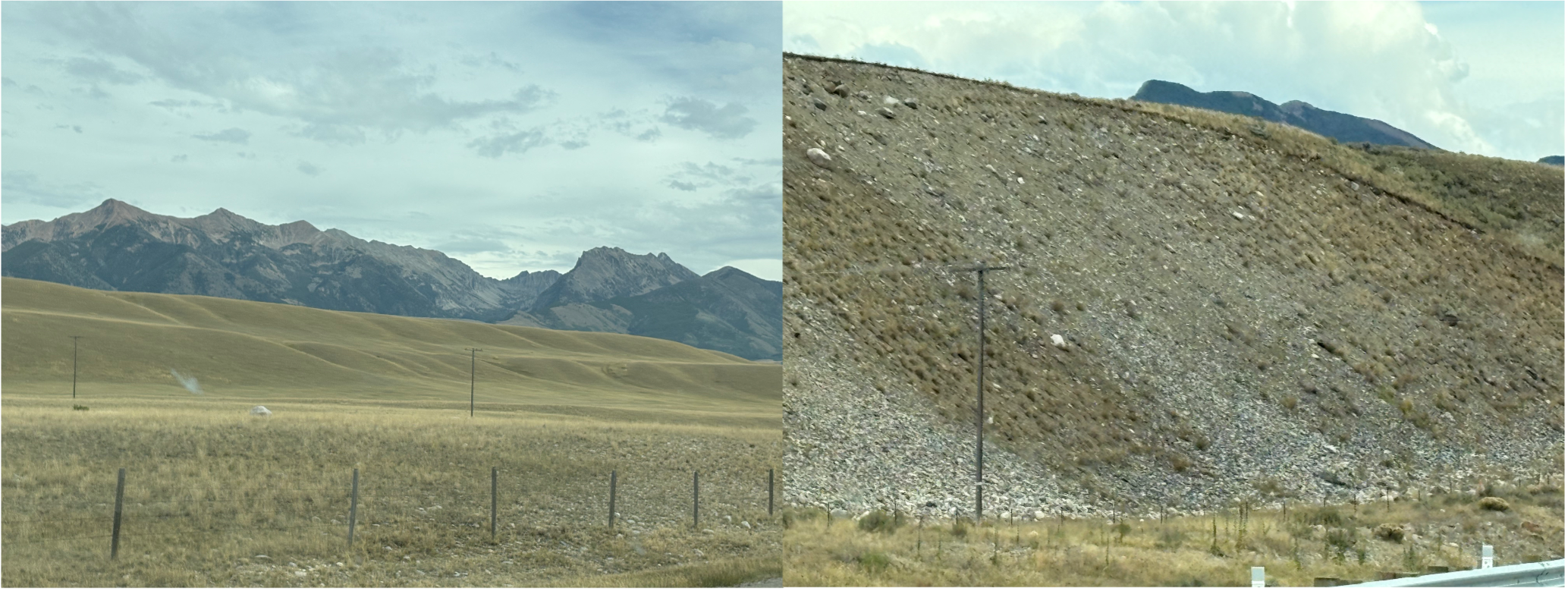
Photo 1 - Our first glimpse of the moraine from the road
The next question—and the reason I was surprised—was that we were driving right outside the caldera of the Yellowstone super-volcano. We were traveling along the Madison River that flows out of the west side of the Yellowstone caldera. Here's where expectations and reality sometimes collide: When was the last time the Yellowstone volcano erupted? If recently then the moraine would be covered in lava or some type of basalt rocks. The evidence I was seeing says the glaciers, and maybe the entire ice age came after the last eruption. Based on the many news reports warning of the next Yellowstone volcanic eruption, I developed the assumption that the last eruption was somewhat recent. When I add the biblical timescale to this observation it gets even more interesting since the estimated time between the end of the worldwide flood and the peak of the Ice Age was only around 500 years, so the last eruption must have been during the last stages of the flood year or within the first few hundred years after the flood. The moraine was obviously left behind during the final retreat of the glacier in that valley. So much of what we saw on our trip became easier to understand when the biblical timescale was added to the equation, and it sure makes discovery so much fun.
So, What is a Moraine?
It's a mound or ridge of mixed rocks, sand, and silt formed by the direct action of glacier ice and categorized as a lateral, terminal, or ground moraine. Often the rocks are rounded, and many are quite polished from their transport in either water or ice. There are many different
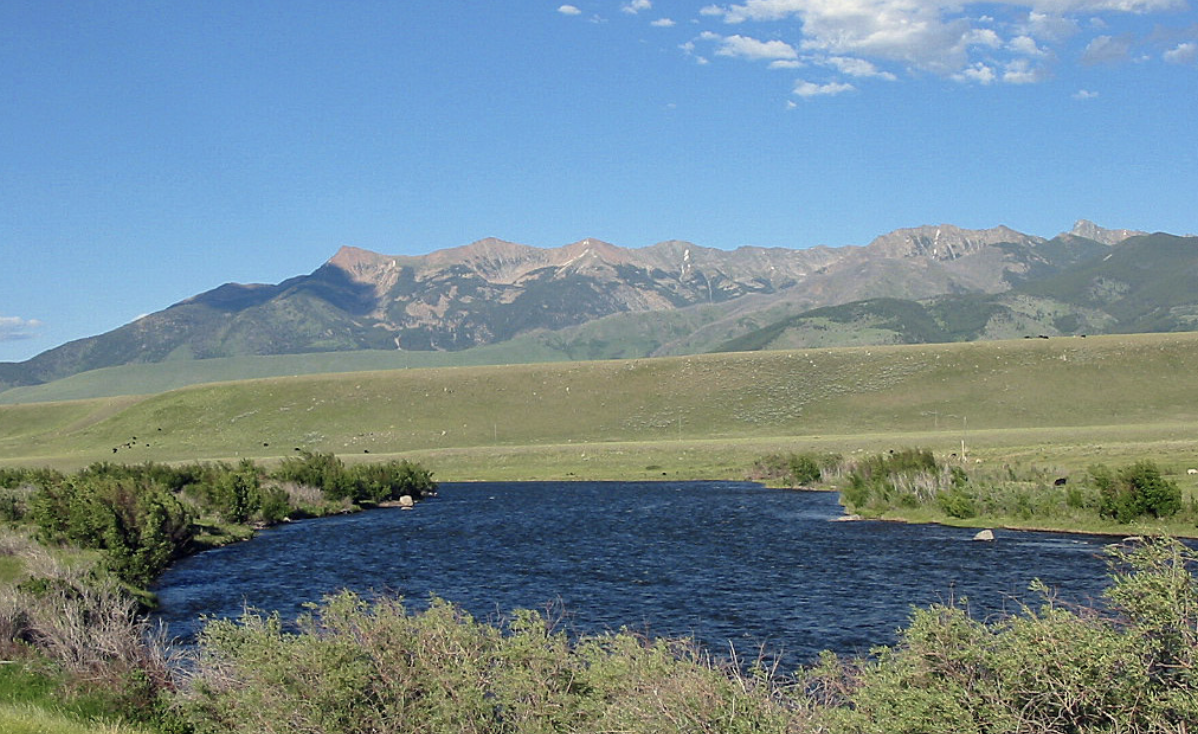
Photo 2 - The Madison River flowing north along the moraine
types; here's a brief summary of the three main ones, which are easy to understand with pictures.
Lateral Moraine – A ridge-like moraine carried along and deposited at the side margin of a valley glacier. The moraine along the Madison River is either a lateral moraine or a ground moraine.
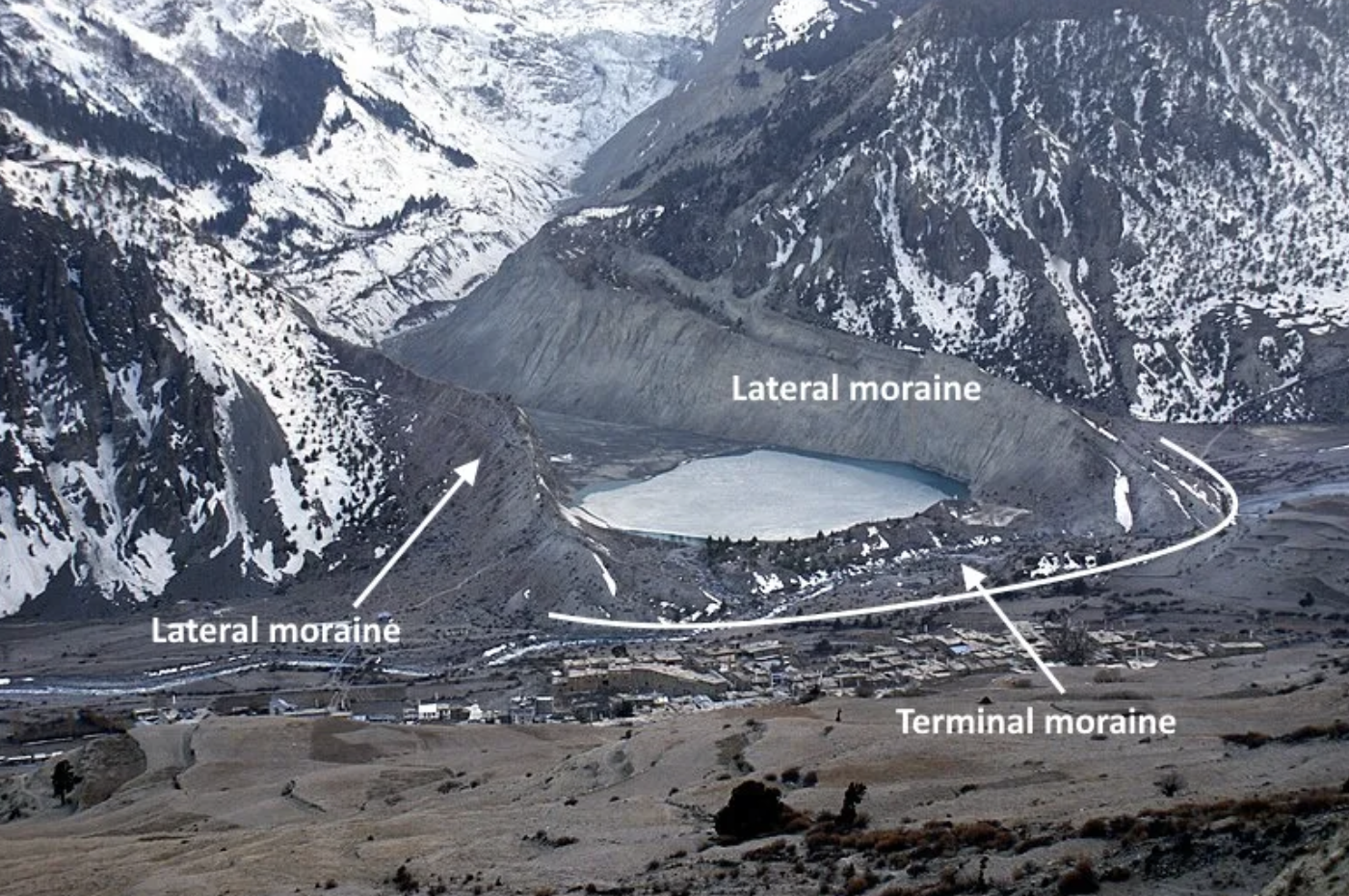
Photo 3 - A good image of the different types of moraines
Terminal Moraine – A mound or ridge marking the maximum outward extent of a glacier's advance, deposited at its snout. There are a few of these just south of Yellowstone in the Teton Valley, and they form the downhill boundary of a few lakes.
Ground Moraine – A ridge in the middle of a valley formed when two glaciers merge, combining their lateral moraines into a central line of debris, or a sheet or blanket of till deposited over the valley floor as the glacier melts and retreats, often creating flat, rolling terrain.
How Do They Form?
Erosion & Transport – As glaciers (rivers of ice) flow, they pick up rock and sediment from the valley floor and walls, sometimes traveling hundreds of miles.
Deposition – This debris is carried along, then dropped when the ice melts or retreats, creating piles or sheets of material that form remnants we get to discover and explore today. This can happen all at once or can ebb and flow as the seasons of summer and winter come and go.
Unsorted Material – Unlike river deposits and most sedimentary layers, glacial till is unsorted and contains a mix of particle sizes.
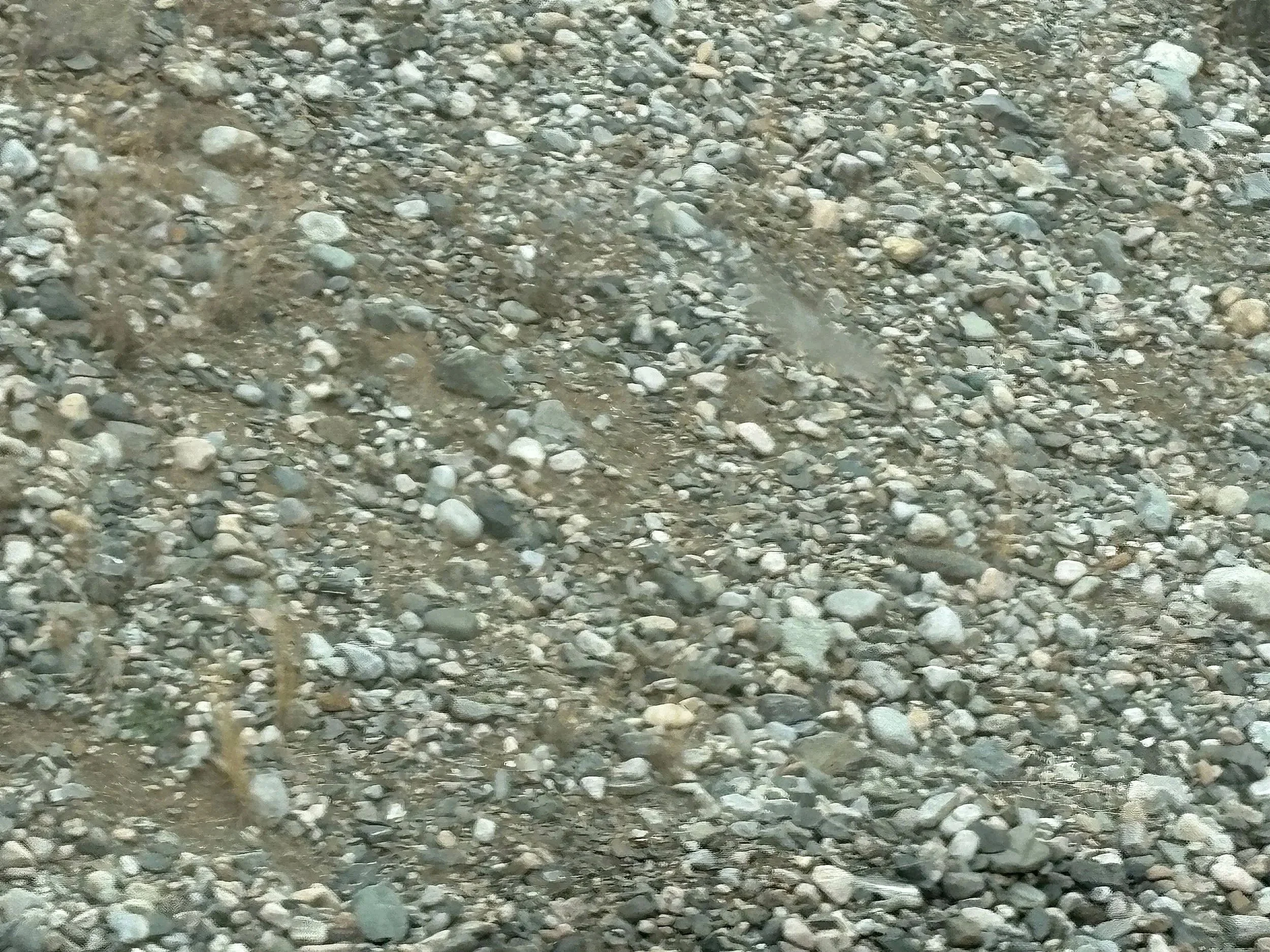
Photo 4 - Unsorted rock that is mostly all rounded, indicating it traveled from somewhere else in water or ice.
Based on our biblical timescale, we believe the Ice Age ended around 3,500 years ago, although its decline was gradual and wasn't marked by a single day, so we don't know exactly when the glaciers that formed the moraines around Yellowstone and Grand Teton National Parks receded and never returned. We do know it wasn't that long ago since the moraines still exist in good form without extensive erosion.
Always Wonder and Learn
The fun lesson here is that even when you're driving a heavy-duty truck towing a 10,000-pound trailer, you should always be looking for special treasures that God may want to show you. Simply based on what I observed on that drive, the Ice Age came after the last volcanic eruption of the Yellowstone super-volcano, and since we know the Ice Age quickly followed the worldwide flood, we know the major Yellowstone eruptions stopped within 500 years or so after the flood. God's Word is such an amazing guide to help us understand all that we observe around us.
Our mission here at Scargazers is to help you see and understand what we commonly observe in our landscapes and see how events recorded in the Bible can help us understand, even today.
-Greg and Sheila