Scarred, Shaped, and Spectacular
Our World Crafted by Flood Waters
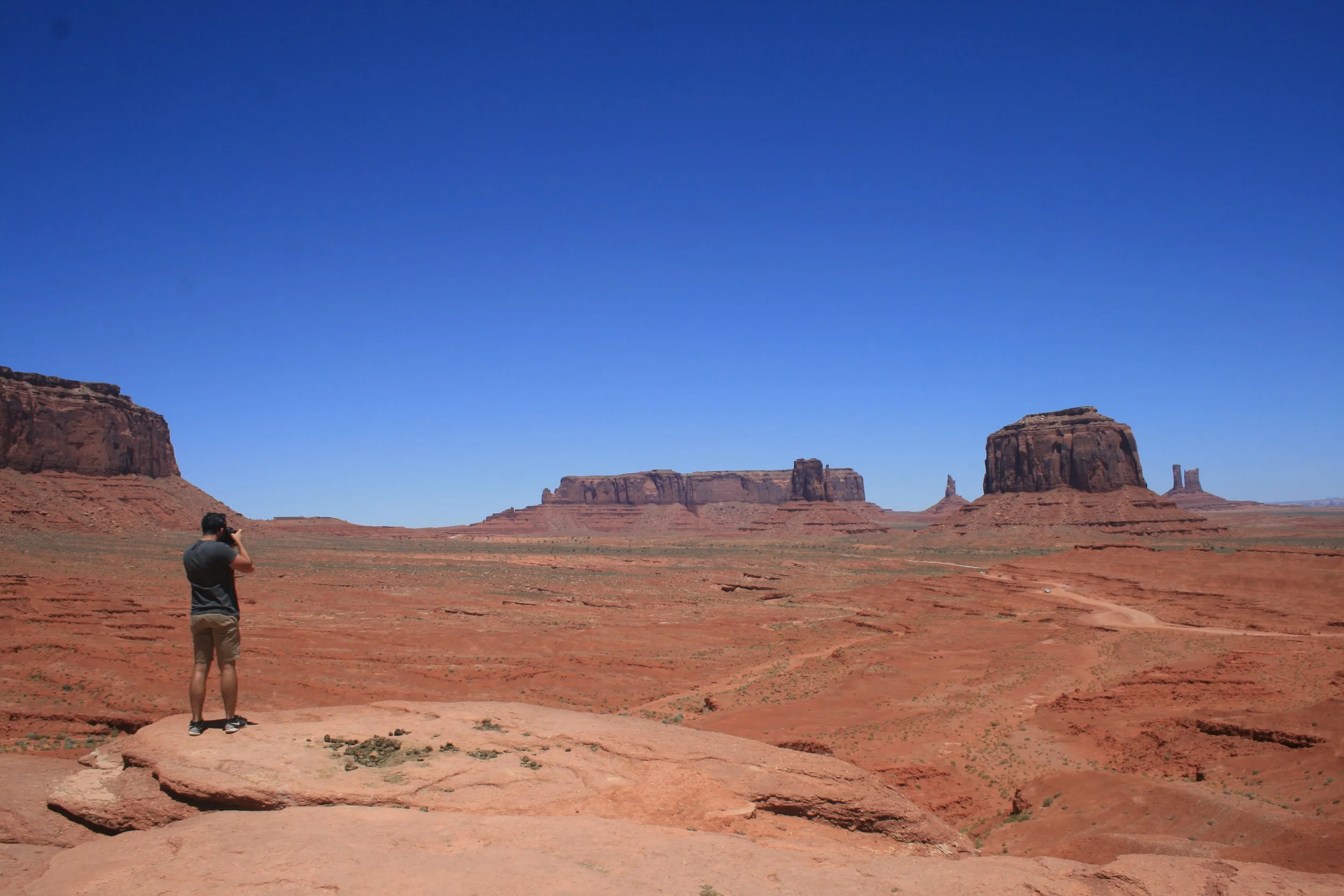
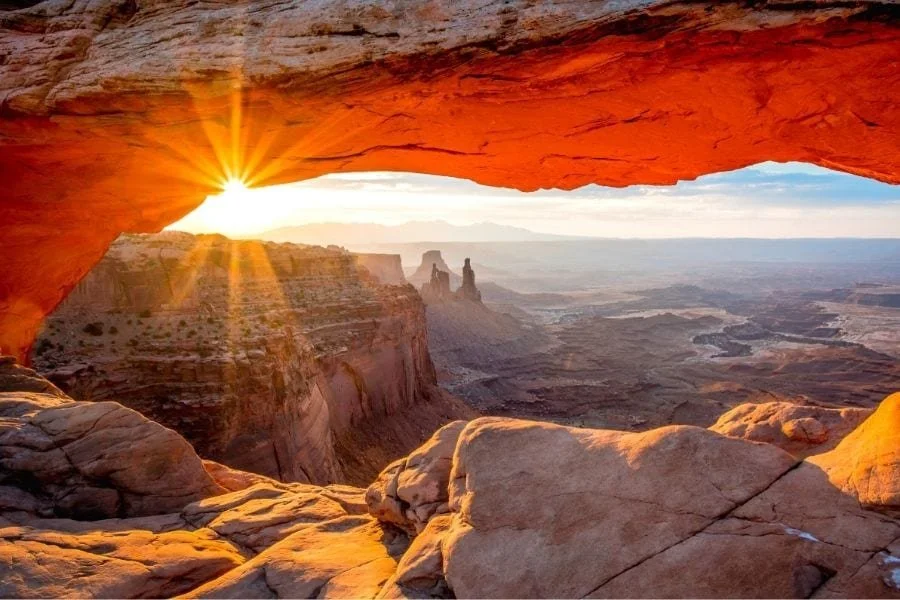
Scargazers is a community of travelers and explorers who see God’s handiwork written in the rocks, valleys, and formations of our magnificent world. If you’ve ever gazed across a vast landscape and wondered what powerful forces shaped it all, you belong here.
Let’s Explore Together
The Scargazers Adventure
Every scar has a story. The earth is scarred.
What’s the story?
The purpose of Scargazers is to share the story given to us through visible scars located in landscapes all over the world and how they came to be. Even though many are amazingly beautiful, they also serve as a reminder of what happened to the earth, its people and animals because of mankind’s rebellion, violence and evil as recorded in the Bible. In the book of Genesis we read how God provided the ark as the only means of salvation from the coming worldwide flood.
This time, the only means of salvation is through Jesus Christ.
The scars we see in the landscape aren’t just unique geological formations, they’re reminders of God’s past judgement, and also His faithfulness to His word. They point us to the hope we can have in Christ, who offers us rescue from the coming judgement that the Bible predicts, just as Noah’s ark offered rescue from the floodwaters.
How we share the Adventure:
We document and share flood evidence through our monthly newsletters, our YouTube channel “A Scargazers Journey”, and periodic videos.
Making geological discoveries accessible and understandable to everyone through our website and social media.
As we visit and photograph key formations throughout the western U.S. we will also share RV travel info for those who want to see and explore for themselves.
We’re building a community of believers and adventurers who want to see God’s handiwork in the scarred landscapes.
Join our Scargazers Journey and be amazed!
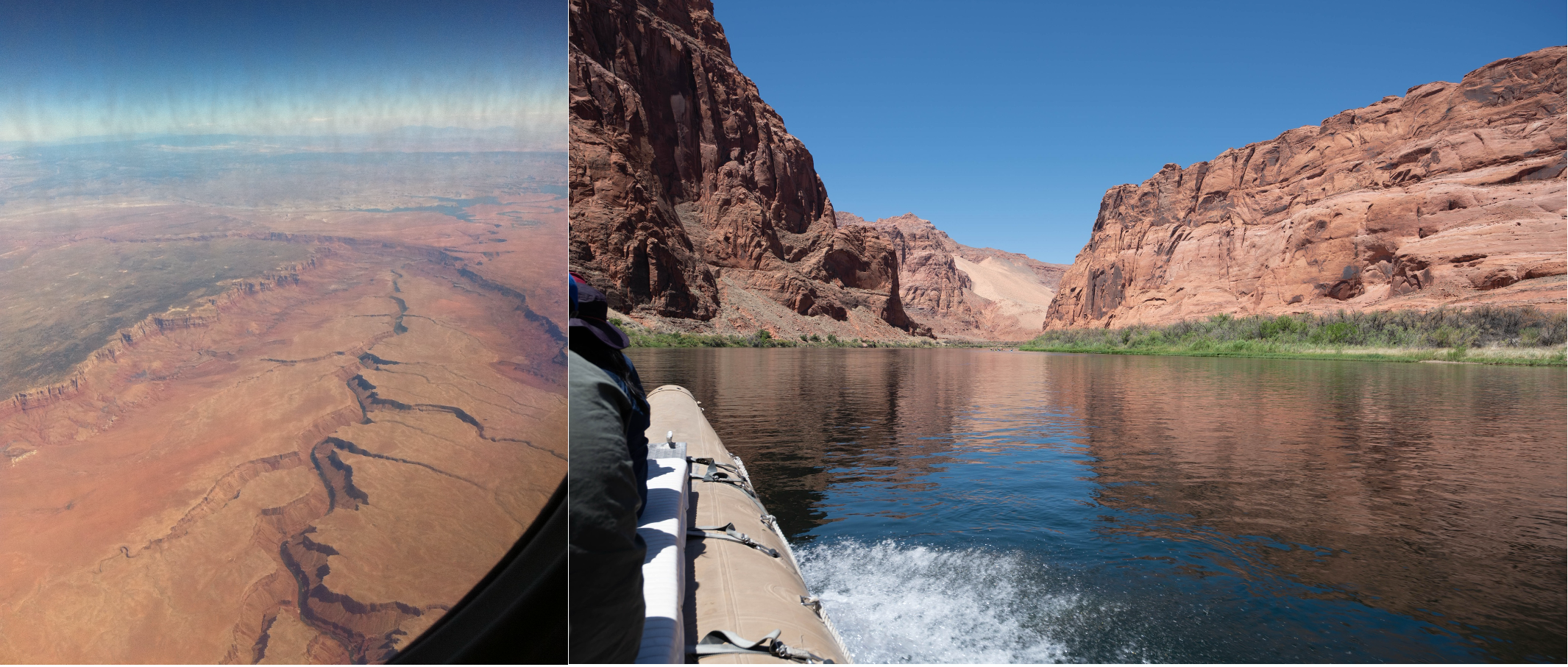
Exploring the West
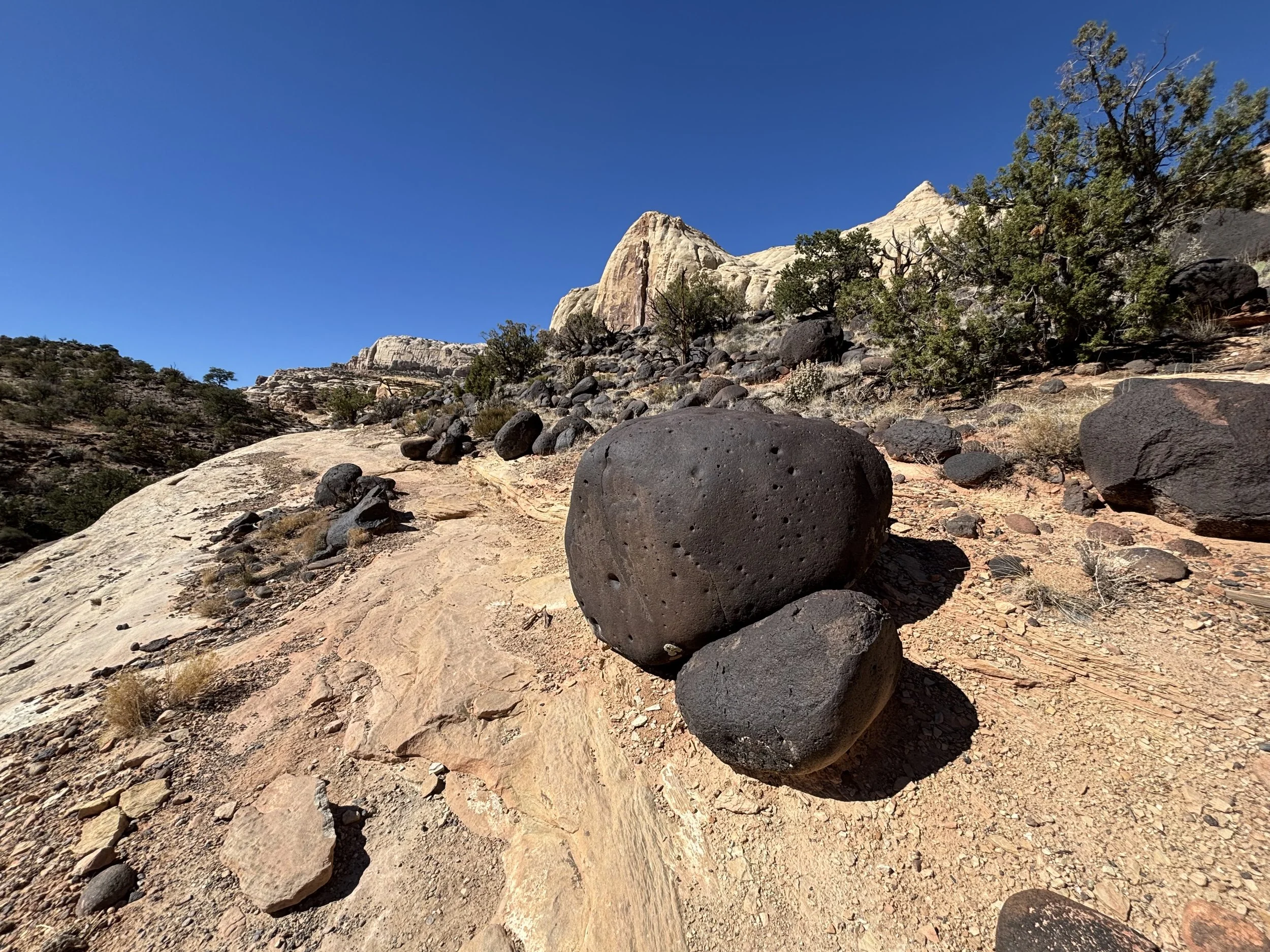
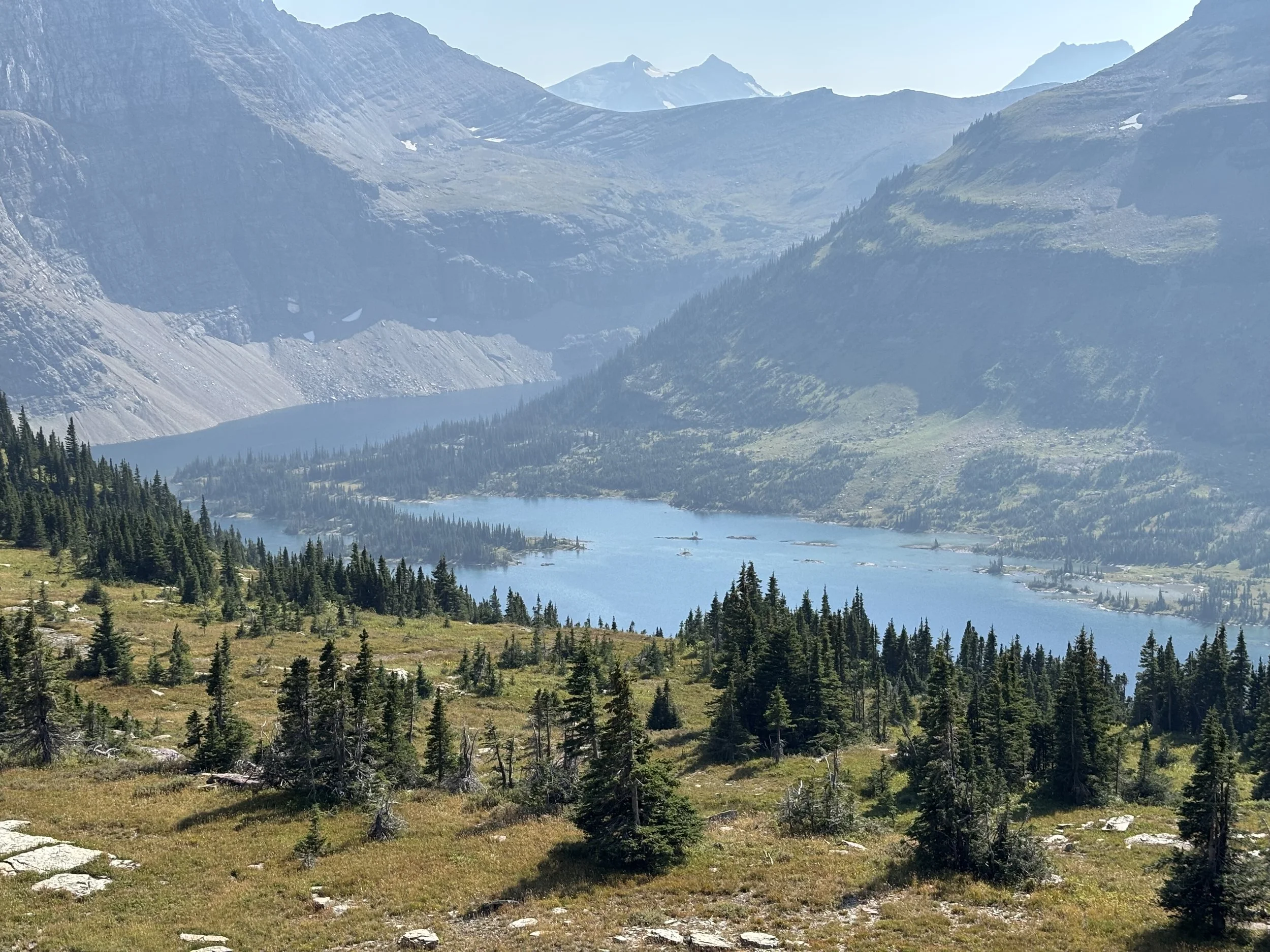
Besides the fact that we live on the west coast, the western edge of the north and South American continents represent huge crash scenes where major earth plates collided at some point in our recent past, maybe approximately 4,500 years ago as the Bible indicates. What a great opportunity for us to visit, explore, and share our findings to demonstrate the magnitude of the catastrophic, worldwide flood that we learn about in the most accurate history book of all time, The Bible.
Although similar crash zones exist all over the world, and we’ll likely share some of those, our actual adventures will focus primarily in the western United States.
We share our discoveries via blogs/newsletters and starting in Spring 2026 we’ll add our YouTube channel, A Scargazers Journey. When you subscribe you’ll get the latest newsletters and travel updates and you can see our past newsletters saved under the Blog heading on our website.

Destinations
Where we’ve been…
Moab, Utah
Canyonlands National Park
Arches National Park
Capitol Reef National Park
Bryce National Park
Monument Valley, Utah
Goblin Valley State Park, Utah
Yellowstone National Park
Glacier National Park
Mount St. Helens
Redwoods National Park
Yosemite, National Park
Sequoia National Park
Kings Canyon National Park
Joshua Tree National Park
Grand Canyon National Park
Zion National Park
Petrified Forest National Park
Where we’re planning to visit…
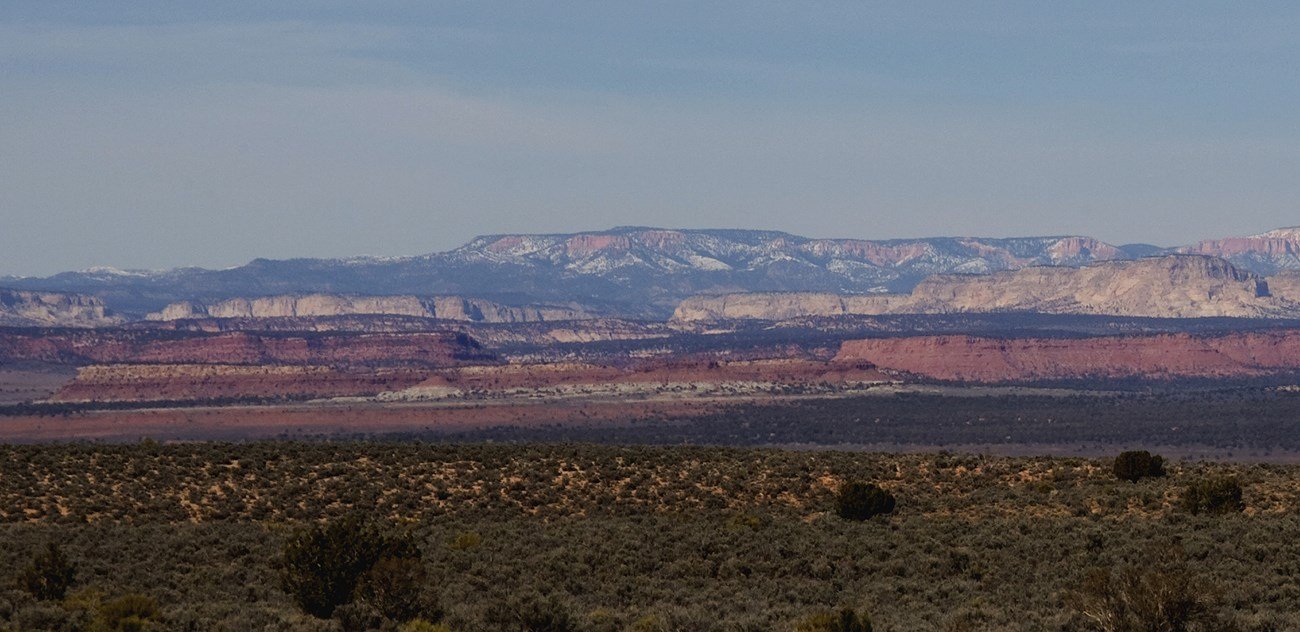
Wind Cave National Park
Custer State Park
Devil’s Tower
Mono Lake State Reserve
Great Salt Flats
Fossil Butte Nat’l Monument
Dinosaur Nat’l Monument
Scott’s Bluff Nat’l Monument
Agate Fossil Beds
Valley of Fire State Park
Badlands National Park
Roosevelt National Park
Beartooth Highway
Cody, Wyoming
All Washington Scablands
Palouse Falls State Park
The Wave/White Pocket
Willamette Valley, Oregon
Follow Along
E-MAIL UPDATES
Community
PAST NEWSLETTERS
Blog